In modern prosthodontics, precision starts at the bur. Whether you’re working on fabrication of crowns and bridges, restorations, or full-arch customization, selecting the right bur ensures efficiency, accuracy, and a high-quality finish. This tutorial will walk you through the key considerations when choosing burs for acrylic, metal, zirconia, lithium disilicate, and porcelain-fused-to-metal cases.
1. Match Your Material to Your Bur
Dental burs are engineered for specific materials—to maximize cutting performance and minimize damage.
- Acrylic (Denture Bases, PMMA)
- Purpose: Rough trimming, contouring, final smoothing.
- Recommended:
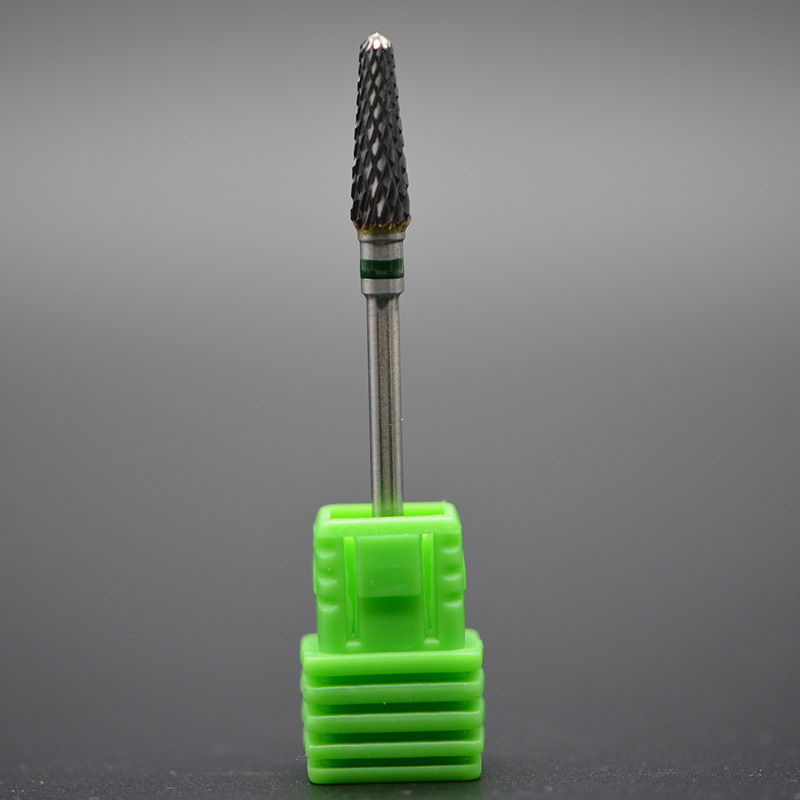
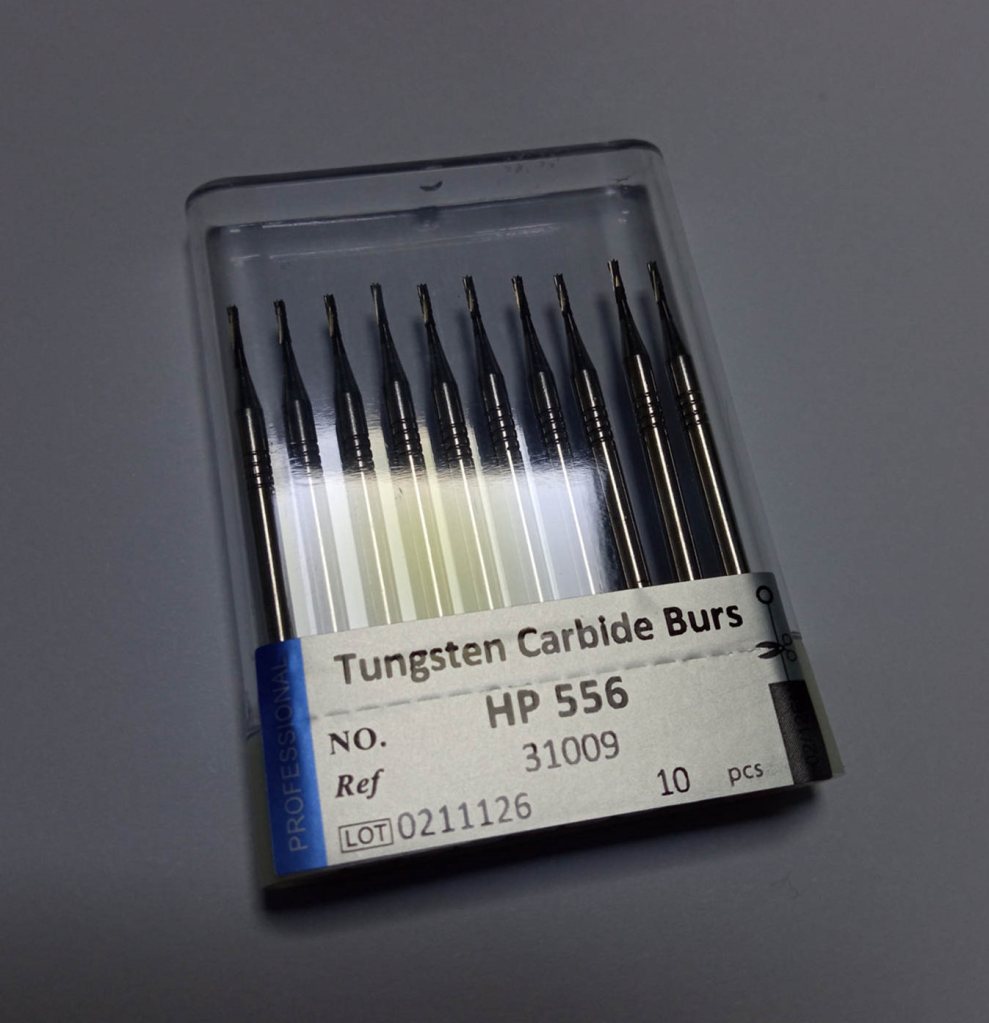
- Tungsten carbide burs (coarse cross-cut) for rapid bulk removal
- Fine carbide burs for detailed shaping
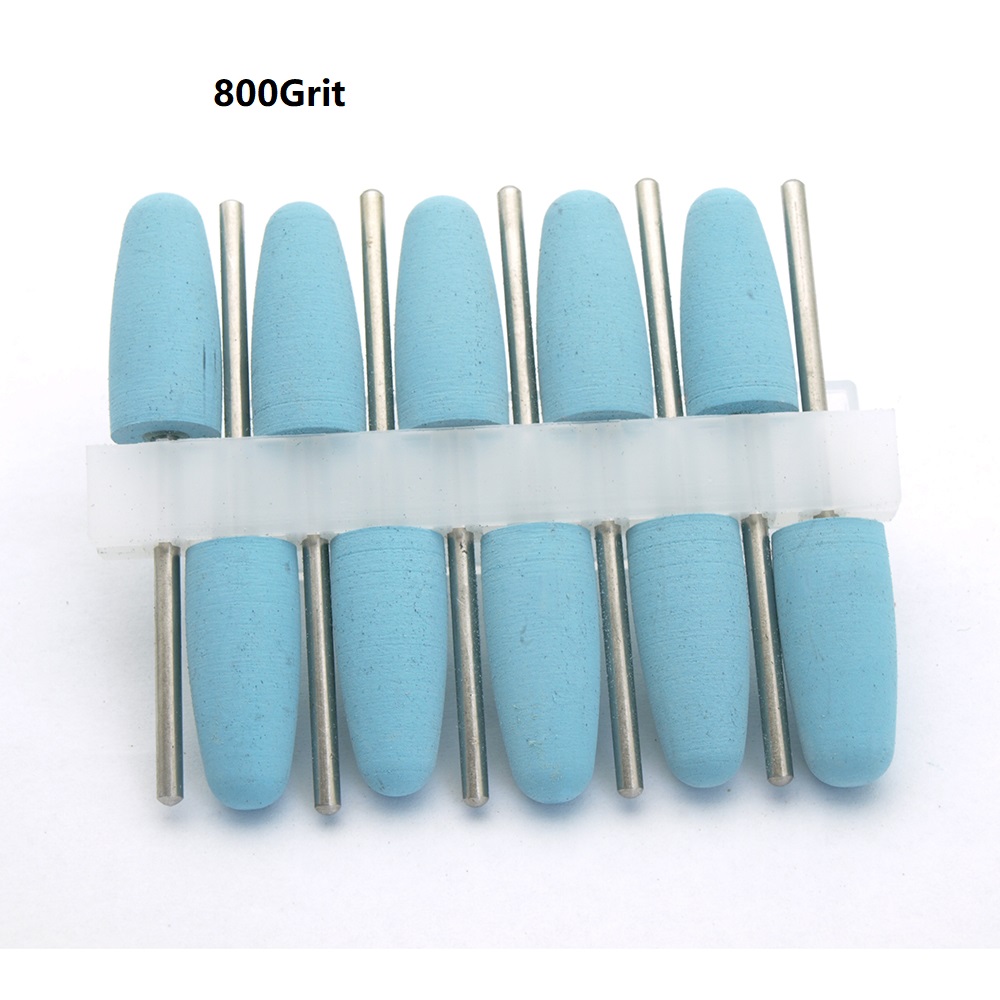
- Ceramic-impregnated polishers for a high-gloss finish
- Metal Crowns & Bridges
- Purpose: Adjust metal frameworks, refine margins.
- Recommended:
- Tungsten carbide burs (pear or inverted cone shapes) for contouring
- Diamond burs (medium grit) for smoothing cut surfaces
- Silicon rubber diamond burs—application on zirconia, lithium disilicate workpieces also benefits from these flexible polishers for gentle finishing without overheating
- Zirconia Workpieces
- Purpose: Pre-sintered shaping, sintered fine adjustment.
- Recommended:
- Diamond burs (coarse to fine) under water cooling
- Silicon rubber diamond burs for uniform surface refinement without microfractures
- Lithium Disilicate (e.max®)
- Purpose: Margin adjustment, final contouring.
- Recommended:
- Fine diamond burs for precision
- Ceramic polishers to achieve a smooth, glass-like surface
- Porcelain-Fused-to-Metal (PFM)
- Purpose: Porcelain trimming, metal exposure.
- Recommended:
- Fine diamond burs for porcelain
- Carbide burs if metal trimming is necessary
- Porcelain polishers for final glaze
2. Spotlight: Zirconia Ceramic HP Burs
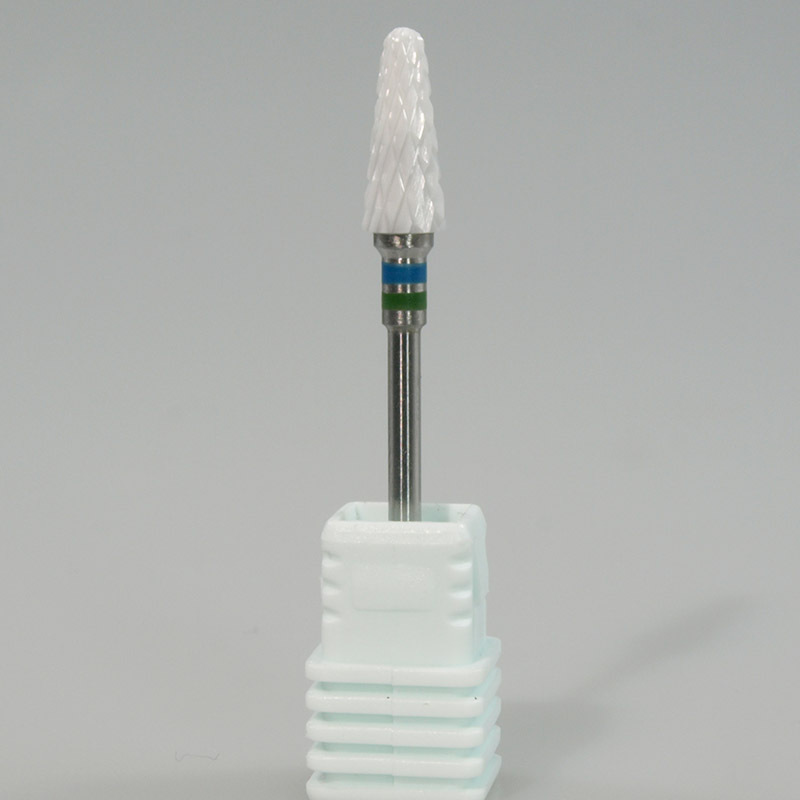
Zirconia Ceramic HP burs are crafted from high-performance ceramic mixed with zirconia particles. This unique blend offers:
- Exceptional hardness for efficient cutting of dense materials
- Extended lifespan, resisting wear and heat
- Versatility: though optimized for zirconia, these burs are also ideal for acrylic base trimming and finishing, saving you from swapping tools mid-job.
3. Shape & Grit: Finding the Balance
Beyond material compatibility, consider bur shape and grit:
| Shape | Common Uses |
|---|---|
| Round | Undercuts, initial bulk removal |
| Inverted Cone | Margin refinement, creating ledges |
| Cylinder | Smoothing flat surfaces |
| Flame | Fine contouring along curves |
| Tapered | Accessing deep preparations |
- Grit Levels
- Coarse (100–150 µm): Fast material removal but leaves scratch patterns
- Medium (50–100 µm): Balanced shaping and finishing
- Fine (20–50 µm): Detail work and pre-polish step
4. Practical Tips for Efficiency
- Water Cooling: Always use adequate water spray with diamond burs on ceramics to prevent overheating and microcracks.
- Rotation Speed: Follow manufacturer guidelines—too fast accelerates wear; too slow reduces cutting efficiency.
- Bur Maintenance: Clean and sterilize burs immediately after use; inspect under magnification for wear or clogging.
- Organize Your Arsenal: Label burs by material and grit; store in dedicated bur blocks to speed up workflow.
Conclusion
Choosing the right dental lab burs is critical for quality, speed, and consistency in every restoration and customization you fabricate. From acrylic denture bases to zirconia crowns and lithium disilicate bridges, matching your bur’s material, shape, and grit saves time and enhances outcomes.
Looking for dental lab burs? Dental Laboratorio is a reliable place to go.
 technician of dental supplies and hospital