The Pindex system, in conjunction with plastic base plates and dowel pins, forms a cornerstone of accurate and efficient dental model fabrication. Its fundamental principle lies in creating a precisely sectioned and repositionable working model, crucial for the intricate steps involved in prosthetic and restorative dentistry.
The Underlying Theory: Controlled Sectioning and Precise Repositioning
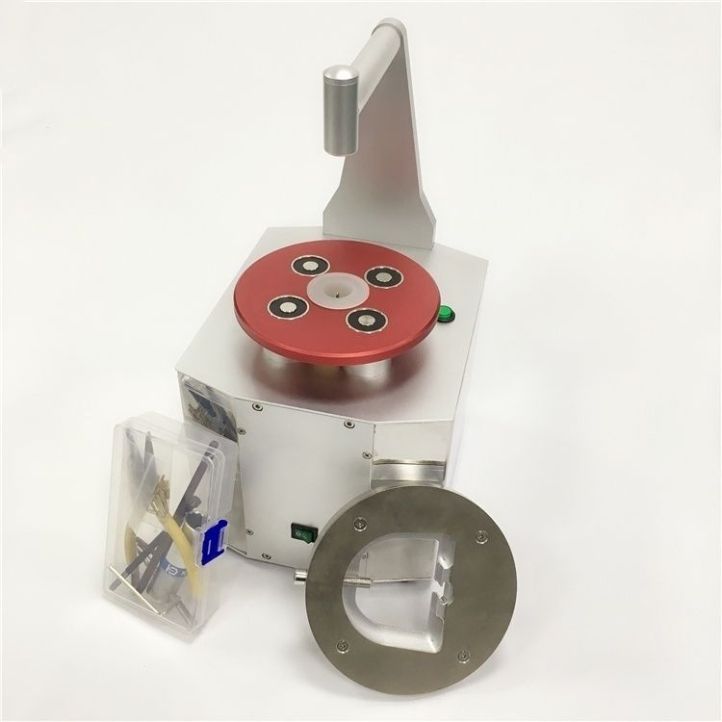
The core rationale behind the Pindex system is to enable the dental technician to work on individual teeth or segments of a dental arch with ease and accuracy, while maintaining their exact spatial relationship within the complete model. This is achieved through:
- Stable Drilling Platform (Plastic Base Plate): The plastic plate acts as an intermediary between the plaster model and the Pindex drilling unit. Plaster, being inherently brittle and porous, offers an inconsistent and potentially fragile surface for direct drilling. The plastic plate provides a uniform, stable, and slightly more resilient surface. This ensures:
- Consistent Hole Geometry: The drill bit encounters a consistent material, leading to more accurately sized and aligned holes. This is paramount for a secure and precise fit of the dowel pins.
- Reduced Model Stress and Fracture: The drilling forces are distributed more evenly across the plastic, minimizing the risk of cracking or damaging the delicate plaster model, especially around critical areas like prepared margins.
- Enhanced Drilling Precision: The smooth surface of the plastic plate allows for more accurate laser targeting (if applicable) and prevents the drill bit from wandering, leading to precisely positioned holes.
- Accurate Repositioning Mechanism (Dowel Pins): The dowel pins serve as the physical keys for the sectioned model pieces. Once embedded in the precisely drilled holes within the plastic base and subsequently into the plaster model, they provide a positive and unambiguous method for relocating each segment to its original position. This ensures:
- Maintaining Inter-Arch Relationships: When working on opposing arches or articulated models, the accurate repositioning facilitated by dowel pins ensures the original occlusal and interproximal relationships are preserved throughout the fabrication process.
- Sequential Workflow Efficiency: Technicians can remove individual dies for tasks like margin trimming, waxing, or coping design and then confidently return them to the master model without introducing errors in alignment. This streamlined workflow enhances efficiency and reduces the potential for inaccuracies accumulating across multiple steps.
- Verification and Quality Control: The ability to repeatedly and accurately reassemble the model allows for thorough checks at various stages, ensuring the fit and articulation of the final restoration are precise before final processing.
Procedure for Experienced Dental Technicians:
- Preparation and Plastic Plate Adaptation:
- Carefully trim the set plaster model, ensuring a stable base for the plastic plate.
- Adapt the plastic Pindex plate to the model, ensuring it sits flush and covers all relevant teeth. Secure the plate temporarily using adhesive or a small amount of sticky wax.
- Precise Drilling and Dowel Pin Insertion:
- Utilize the Pindex drilling unit. For experienced technicians, understanding the drill depth settings and their impact on pin retention within the plaster is crucial.
- Position the model and plastic plate under the drill, aligning the laser guide (if present) with the predetermined drilling locations. Strategic placement of at least two non-opposing pins per section is recommended for optimal stability.
- Drill through the plastic plate and a sufficient depth into the plaster model to ensure secure pin retention.
- Carefully insert the corresponding dowel pins into the drilled holes, ensuring a snug fit within the plastic plate.
- Controlled Model Sectioning:
- Using a thin, precise saw blade (e.g., a model saw or a fine separating disc), carefully section the plaster model, cutting down to the plastic base plate.
- Maintain a consistent cutting plane to ensure clean separation and accurate reassembly. The dowel pins will maintain the alignment of the sections during this process.
- Working on Individual Dies:
- Remove individual model segments by gently lifting them vertically off the dowel pins.
- Perform the necessary procedures (wax-up, margin refinement, scanning for CAD/CAM, etc.) on the detached dies.
- Final Reassembly and Die Stone Base:
- Once the individual tasks are complete, carefully reposition the sectioned dies onto the dowel pins within a boxing form or on a prepared base.
- Pour die stone into the form, ensuring it encases the base of the sectioned model and the protruding portion of the dowel pins. This creates a stable master cast with accurately repositionable dies.
Experienced Technician Considerations:
- Pin Placement Strategy: Understand the biomechanical implications of pin placement. Avoid placing pins in a linear fashion, as this can lead to rotational instability. Angled or triangulated pin placement offers greater resistance to movement.
- Drill Bit Maintenance: Regularly inspect and maintain drill bits for sharpness and accuracy. A dull bit can lead to imprecise holes and increased stress on the model.
- Material Compatibility: Be aware of the compatibility between different plastic plate materials and plaster types to ensure optimal adhesion and pin retention.
- Advanced Applications: Experienced technicians can leverage the Pindex system for more complex cases, such as implant planning models with removable soft tissue components or intricate bridge frameworks requiring precise die manipulation.
Mastering the Pindex system is not merely about following a sequence of steps; it’s about understanding the underlying principles of stability, accuracy, and controlled manipulation. By appreciating the reasons behind the plastic plate and dowel pins, experienced dental technicians can optimize their workflow and consistently produce high-quality dental restorations.
 technician of dental supplies and hospital